
Apples N Bananas cannabis seeds for sale
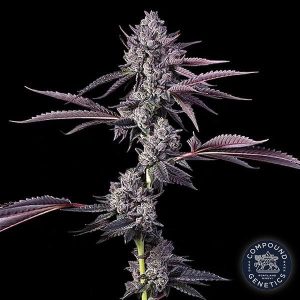 Apples N Bananas Cannabis Seeds
Apples N Bananas is a standout hybrid associated with Compound Genetics, developed in collaboration with Cookies. The cultivar has earned attention for its complex fruit-forward profile and its influential breeding lineage. SeedFinder records its lineage as [(Platinum Cookies × Granddaddy Purple) × Blue Power] × Gelatti.
Apples N Bananas Genetics
The combination brings together several well-known American genetic lines. Platinum Cookies contributes its Cookies-family background, Granddaddy Purple adds classic purple-fruit genetics, Blue Power contributes another established hybrid lineage, and Gelatti brings the Gelato/Biscotti family into the cross.
This complex background has helped Apples N Bananas become an important parent for numerous modern crosses. SeedFinder currently records dozens of direct descendants, including Gastro Pop, Goofiez, Blue Lobster, Rainbow Pavé, Rose Gold Pavé, Compound Z, Auraz, and Medellin x Apples & Bananas.
Flavor and Aroma
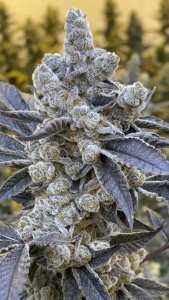
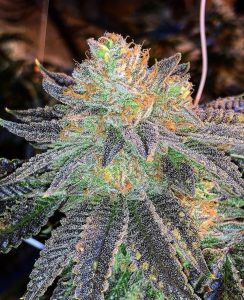
Apples N Bananas stands out for its distinctive fruit and dessert-inspired character. Descriptions commonly associate the cultivar with apple, pear, tropical fruit, banana, creamy, sweet, and gassy notes. Myrcene, limonene, and caryophyllene frequently appear among reported dominant terpenes, although individual plants and batches can vary.
Potency and Profile
Published sources report different THC ranges depending on the specific product, phenotype, and testing method. Some descriptions place Apples N Bananas around 20–30% THC, while other cultivar data reports different ranges. These figures should therefore serve as general references rather than guarantees.
The variety is generally described as a balanced hybrid, with reported effects including happiness, euphoria, and an uplifted feeling. Individual experiences can vary significantly.
Why Apples N Bananas Seeds Stand Out
For collectors interested in modern USA genetics, Apples N Bananas offers more than an appealing name. Its complex lineage has made it a valuable breeding parent, while its recognizable fruit-forward terpene character has helped establish it as one of Compound Genetics’ notable cultivars.
If you’re searching for Apples N Bananas cannabis seeds, check the specific breeder and seed-bank listing carefully because different seed releases can use different versions or crosses of the Apples N Bananas name.
Always check the laws governing cannabis seeds in your country before purchasing, possessing, importing, or germinating seeds. Use seeds only where permitted by applicable law
 Seed Junky Seed Bank: Premium USA Cannabis Genetics Available in Europe
 High THC Cannabis Seeds
 Best Cannabis Seed Bank in Europe
 Buy Auto-Flowering Cannabis Seeds Online